Fixing Image Display Bugs In SSW Rules Content
Hi Team!
This article addresses the issue of images within info boxes displaying at full width and lacking the default gray border in the Rules (Content) section of our platform. This issue impacts the visual appeal and user experience of our content, so resolving it is a high priority. Let’s dive into the details and steps for resolution.
Watch the video (1 min 37 sec)
Url from screen share: https://ssw.com.au/rules-beta/prefix-job-title
Understanding the Pain Point
The main issue we're tackling here is that images inside info boxes are stretching to fill the entire width of their container, and they're missing the subtle gray border that should be there by default. This makes the images look distorted and out of place, and it doesn't align with our design standards. Ensuring a consistent and visually appealing presentation is crucial for maintaining the professional image of SSW.Rules.Content.
Why is this important? Consistent design elements, such as image borders and proper sizing, contribute significantly to the overall user experience. When images are displayed correctly, they enhance the readability and clarity of our content. Conversely, when images are distorted or lack expected styling, it can distract users and detract from the message we're trying to convey. A polished and professional look builds trust and credibility with our audience.
The absence of a gray border might seem like a small detail, but it's part of a larger picture. These visual cues help users understand the structure and hierarchy of information on the page. When elements like borders are missing, the visual separation between content sections becomes less clear, potentially making it harder for users to navigate and absorb the information. By addressing these seemingly minor issues, we collectively improve the overall quality and usability of our platform.
Furthermore, fixing this issue ensures that our platform adheres to accessibility best practices. Visual consistency plays a crucial role in making our content accessible to users with disabilities. Clear visual cues and a predictable layout help users with visual impairments or cognitive differences to better understand and interact with the content. By resolving these image display problems, we're taking a step toward creating a more inclusive and user-friendly experience for everyone.
Acceptance Criteria for the Fix
To ensure we've effectively resolved the issue, we have outlined the following acceptance criteria:
- Images within info boxes should not be displayed at full width. The images must respect the intended layout and proportions, fitting neatly within the info box without overflowing or stretching.
- Images should have a default gray border as specified. The consistent application of the gray border provides a visual cue that helps to frame the image and integrate it seamlessly with the surrounding content.
- Ensure images within gray boxes or info boxes are displayed correctly across the platform. This criterion emphasizes the need for a comprehensive solution that addresses all instances of this issue, ensuring consistency across the entire SSW.Rules.Content platform.
These criteria serve as a clear checklist for developers and testers to verify that the fix meets the required standards. Each point addresses a specific aspect of the problem, ensuring a thorough and effective resolution. By adhering to these acceptance criteria, we can confidently deliver a solution that enhances the user experience and maintains the high-quality standards of SSW.Rules.Content.
Meeting these criteria not only resolves the immediate visual issues but also lays the groundwork for a more robust and maintainable platform. A well-defined set of acceptance criteria helps to prevent similar issues from arising in the future, as it establishes a clear benchmark for visual consistency and quality. This proactive approach saves time and resources in the long run, as it reduces the need for repeated bug fixes and ensures a more stable user experience.
Additionally, the acceptance criteria emphasize the importance of platform-wide consistency. It's not enough to fix the issue in one specific instance; the solution must be applied across all relevant areas of the platform. This holistic approach ensures that users encounter a uniform and predictable visual experience, regardless of the specific content they're viewing. This consistency builds trust and reinforces the professional image of SSW.Rules.Content.
Step-by-Step Guide to Reproduce the Issue
To fully understand and address the problem, it’s important to be able to reproduce it consistently. Here are the steps to reproduce the image display issues:
- Navigate to the Rules (Content) section. This is the primary area where the issue has been observed, so it's the starting point for our investigation.
- Locate an image within an info box. Info boxes are specific content containers that should display images with a certain style. Identify these boxes to check for the issue.
- Observe that the image is displayed at full width and lacks a gray border. This is the key symptom of the problem we're addressing. The image should not stretch to fill the container and should have a gray border.
- Check other instances of images within gray boxes or info boxes to confirm the issue. This step is crucial to ensure the problem isn't isolated to a single case and that the fix will be comprehensive.
By following these steps, anyone on the team can reliably reproduce the issue and verify the effectiveness of the fix. This standardized approach ensures that we're all on the same page and working with a shared understanding of the problem. Consistent reproduction steps are essential for efficient debugging and testing.
This detailed procedure also helps in identifying any patterns or specific conditions that might be contributing to the issue. For example, are certain types of images more prone to this problem? Are there specific info box configurations that trigger the display errors? By systematically reproducing the issue, we can gather valuable insights that inform our troubleshooting efforts.
Furthermore, these steps serve as a valuable tool for future regression testing. After implementing a fix, we can use these steps to verify that the issue remains resolved and doesn't reappear due to other changes in the codebase. This proactive approach helps to maintain the quality and stability of our platform over time. Clear and reproducible steps are a cornerstone of effective quality assurance.
Visual Evidence: Screenshot of the Issue
To provide a clear and visual representation of the problem, a screenshot has been included:
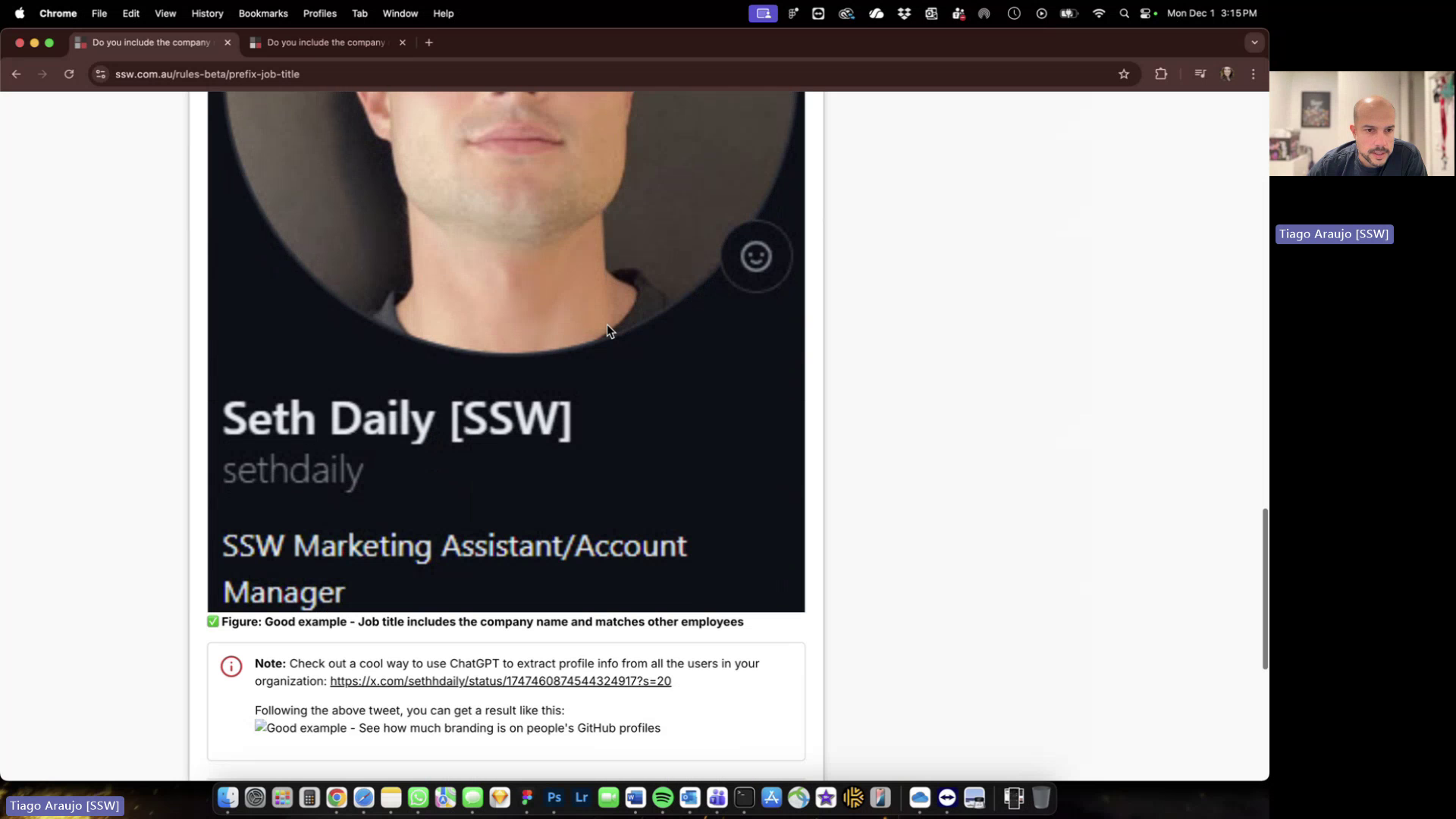
Figure: Images in info boxes are oversized and broken.
The screenshot clearly illustrates how images within info boxes are displayed at full width, distorting their appearance. Additionally, the absence of the default gray border is evident, further highlighting the visual inconsistency. This visual evidence serves as a concrete example of the problem, making it easier for developers and designers to understand the issue and its impact.
Including a screenshot in bug reports and issue descriptions is a best practice in software development. Visual aids provide immediate clarity and context, reducing the potential for misinterpretations. A picture is often more effective than words in conveying the nature and severity of a problem. By providing this visual evidence, we ensure that everyone involved has a clear understanding of what needs to be fixed.
Moreover, the screenshot serves as a valuable reference point for testing the fix. After implementing the solution, we can compare the image display with the screenshot to verify that the issue has been fully resolved. This visual comparison provides a quick and reliable way to confirm the effectiveness of the fix. The screenshot becomes a benchmark against which we can measure our progress.
In addition to aiding developers, the screenshot also helps stakeholders who may not be directly involved in the technical aspects of the project. It provides a clear and accessible way for them to understand the problem and its potential impact on the user experience. This transparency fosters better communication and collaboration across the team.
Conclusion
In conclusion, addressing the image display issues within the SSW Rules (Content) section is crucial for maintaining the visual integrity and user experience of our platform. By adhering to the acceptance criteria outlined and following the reproduction steps, we can ensure a consistent and effective resolution. The provided screenshot serves as a clear visual reference for the problem, aiding in the development and testing process. Let's work together to ensure our platform remains visually appealing and user-friendly.
For more information on best practices in web development and design, check out Mozilla Developer Network.
