Lukia [vunknown] Avatar Bug Report & Discussion
This article delves into a detailed bug report and discussion surrounding the Lukia [vunknown] avatar, providing valuable insights for developers and users alike. We'll explore various aspects of the avatar, including its performance across different platforms, potential issues encountered, and user feedback. This comprehensive analysis aims to improve the avatar's overall quality and user experience. Whether you're a creator, a user, or simply interested in the technical aspects of avatar development, this article offers a wealth of information.
Version-Specific Bug Report
This section focuses on a specific bug report related to the Lukia avatar, identified under version [vunknown]. The report provides a structured overview of the issue, including environmental details, conversion results, skeletal and material information, and user comments. Understanding these details is crucial for diagnosing and resolving the bug effectively.
Key Elements of the Bug Report
At the core of any effective bug report are several key components that help developers quickly understand and address the issue. This report, in particular, meticulously documents these elements, providing a comprehensive overview of the encountered problem. These key elements include:
- Parent Issue: This links the current report to a broader issue or feature request, allowing for better organization and tracking of related problems. In this case, it's linked to issue #364 on the dsgarage/PierCamera repository. This is crucial for understanding the context of the bug and its relationship to other ongoing development efforts. By associating the bug with a parent issue, developers can see the bigger picture and ensure that fixes are implemented in a way that addresses the root cause and avoids introducing new issues.
- Avatar Name and Version: This clearly identifies the specific avatar and its version that the bug affects. Here, the avatar is Lukia, and the version is [vunknown]. Knowing the exact avatar and version helps developers narrow down the problem and focus their debugging efforts. Different versions of an avatar may have different codebases or configurations, so specifying the version is essential for accurate diagnosis. It also helps users determine if the bug they are experiencing is related to a specific version of the avatar.
- Report ID: A unique identifier (acad56e7) for this particular bug report, facilitating efficient tracking and referencing within the development workflow. This ID acts as a primary key for the bug report in the system, allowing developers to quickly search for and retrieve the report. It also helps prevent duplicate bug reports and ensures that all relevant information is associated with the correct issue. The Report ID is a crucial tool for maintaining an organized and efficient bug tracking system.
- Platform: Specifies the platform where the bug was encountered (fbx4vrm). This information is vital as bugs can be platform-specific due to differences in rendering engines, libraries, or hardware. Knowing the platform allows developers to reproduce the bug in the same environment, which is essential for debugging. It also helps prioritize bug fixes based on the platform's usage and importance. For example, a bug on a widely used platform might be given higher priority than a bug on a less common platform.
- Date and Time: Records the exact date and time the bug was reported (2025-12-04T14:33:28+09:00), aiding in trend analysis and issue prioritization. This timestamp helps developers understand when the bug first appeared and how frequently it is occurring. It can also be used to correlate bug reports with specific code changes or releases, making it easier to identify the cause of the bug. Furthermore, the date and time information can be used to prioritize bugs based on their recency and potential impact.
By meticulously documenting these key elements, the bug report provides a solid foundation for effective debugging and resolution. This structured approach ensures that developers have all the necessary information at their fingertips, enabling them to address issues quickly and efficiently.
Environmental Information
The environment in which a bug occurs can significantly impact its behavior and how it should be addressed. The bug report meticulously captures these environmental details, providing developers with a comprehensive understanding of the conditions under which the issue arises. This detailed environmental information includes:
- FBX4VRM Version: The specific version of the FBX4VRM conversion tool used (0.0.9). This is crucial because different versions of the tool may have different features, bug fixes, or known issues. Knowing the FBX4VRM version helps developers determine if the bug is related to a specific version of the tool and if there are any known workarounds or fixes. It also allows them to reproduce the bug using the same version of the tool.
- Unity Version: The version of the Unity game engine used (2022.3.22f1). Similar to the FBX4VRM version, the Unity version is essential because different versions of Unity can have different rendering pipelines, scripting behaviors, and API changes. Knowing the Unity version helps developers understand how the avatar is being rendered and interacted with in the game engine. It also allows them to reproduce the bug in the same Unity environment.
- UniVRM Version: The version of the UniVRM library used (unknown). UniVRM is a library for handling VRM avatars in Unity, and its version can impact how the avatar is loaded, rendered, and animated. While the version is listed as "unknown" in this report, it highlights the importance of including this information in future reports. Knowing the UniVRM version would help developers troubleshoot issues related to avatar compatibility and rendering within Unity.
- Render Pipeline: The rendering pipeline used (Built-in). Unity supports different rendering pipelines, such as the Built-in Render Pipeline, the Universal Render Pipeline (URP), and the High Definition Render Pipeline (HDRP). Each pipeline has different features and performance characteristics, so knowing the rendering pipeline is crucial for understanding how the avatar is being rendered and optimized. The Built-in Render Pipeline is the oldest and most widely compatible pipeline, but URP and HDRP offer more advanced features and better performance on certain platforms.
- Platform: The operating system and hardware configuration (Windows 11 (10.0.26100) 64bit (AMD Ryzen 7 3700X 8-Core Processor )). This information is vital because bugs can be specific to certain operating systems, hardware configurations, or graphics drivers. Knowing the platform allows developers to reproduce the bug on a similar system and troubleshoot any platform-specific issues. The report includes details about the operating system (Windows 11), the build number (10.0.26100), the architecture (64bit), and the processor (AMD Ryzen 7 3700X 8-Core Processor).
By capturing these environmental details, the bug report provides a comprehensive picture of the conditions under which the bug occurred. This information is invaluable for developers in their efforts to reproduce, diagnose, and resolve the issue effectively.
Conversion Result
The conversion result provides a concise summary of whether the avatar conversion process was successful and, if not, details about the failure. This information is crucial for understanding the scope of the issue and identifying potential bottlenecks in the conversion pipeline:
- Success: Indicates whether the conversion process completed successfully (❌ No). In this case, the conversion failed, highlighting a significant issue that needs to be addressed. The fact that the conversion failed suggests that there may be a fundamental problem with the avatar's model, rigging, or materials. This could be due to incompatibilities with the FBX4VRM tool, errors in the avatar's source files, or limitations in the target VRM format.
- Processing Time: The time taken for the conversion process (N/A ms). Since the conversion failed, the processing time is not available. However, if the conversion had been successful, the processing time would provide valuable insights into the performance of the conversion process. Longer processing times could indicate performance bottlenecks that need to be optimized.
- Failed Processor: Identifies the specific processor or module that failed during the conversion (N/A). This information is not available in this report because the overall conversion failed. However, in cases where specific processors fail, this information can pinpoint the exact stage of the conversion process where the issue occurred. This helps developers narrow down the search for the root cause of the bug.
- Error Message: The error message generated during the conversion process (N/A). This is perhaps the most crucial piece of information for diagnosing the bug. Unfortunately, in this report, the error message is not available. A detailed error message would provide specific clues about the nature of the problem, such as file format errors, missing dependencies, or invalid data. In future reports, it is essential to include the error message to facilitate efficient troubleshooting.
The conversion result provides a high-level overview of the success or failure of the avatar conversion process. While this report lacks some crucial details, such as the error message, it still highlights the fact that the conversion failed, indicating a significant issue that needs to be investigated.
Skeletal Information
The skeletal structure of an avatar is fundamental to its animation and posing capabilities. This section of the bug report provides valuable information about the avatar's skeleton, including its humanoid status, T-pose validity, bone hierarchy, and any missing bones. This information is crucial for identifying issues related to rigging, animation, and compatibility with various VRM standards.
- Humanoid: Indicates whether the avatar is rigged as a humanoid (Yes). A humanoid rig conforms to a standard skeletal structure, making it compatible with a wide range of animations and motion capture systems. If the avatar is not rigged as a humanoid, it may require custom animations and may not be compatible with standard VRM features. The fact that the Lukia avatar is rigged as a humanoid is a positive sign, as it suggests that it should be compatible with many VRM-based applications and platforms.
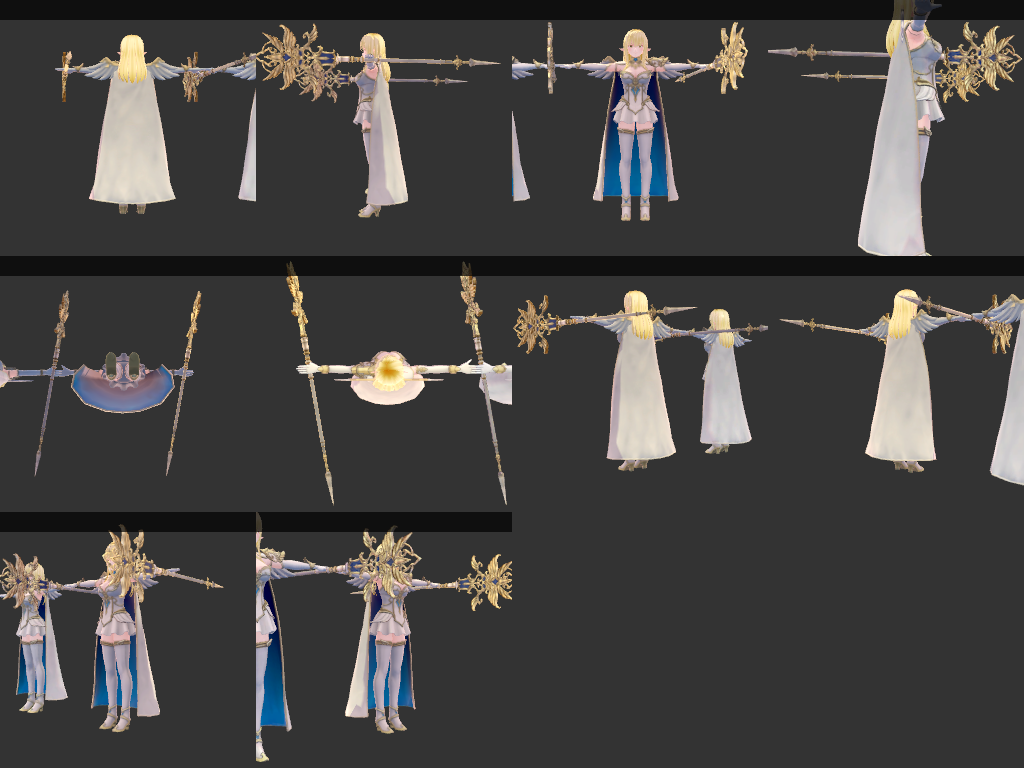
- T-Pose Valid: Indicates whether the avatar's T-pose is valid (Yes). The T-pose is a standard pose used for rigging and animation, where the avatar stands upright with its arms extended horizontally. A valid T-pose is essential for accurate animation and retargeting. If the T-pose is invalid, it can lead to distortions and unnatural movements during animation. The fact that the Lukia avatar has a valid T-pose suggests that the initial rigging process was performed correctly.
- Bone Hierarchy Valid: Indicates whether the avatar's bone hierarchy is valid (Yes). The bone hierarchy defines the relationships between the bones in the skeleton, and a valid hierarchy is crucial for correct animation and movement. If the bone hierarchy is invalid, it can lead to unexpected movements, joint distortions, and other animation issues. The fact that the Lukia avatar has a valid bone hierarchy is another positive sign, suggesting that the rigging process was well-executed.
- Total Bones: The total number of bones in the avatar's skeleton (199). This number can vary depending on the complexity of the avatar and the level of detail in the rigging. A higher number of bones can allow for more nuanced and realistic movements, but it can also increase the complexity of the animation process. The number of bones can also affect the performance of the avatar, especially on lower-end devices.
- Missing Recommended Bones: Identifies any recommended bones that are missing from the avatar's skeleton (UpperChest, Jaw). While the avatar may still function without these bones, their absence can limit the range of possible expressions and animations. For example, the absence of the UpperChest bone may make it difficult to create realistic breathing animations, while the absence of the Jaw bone may limit the avatar's ability to lip-sync. Adding these missing bones could improve the avatar's overall expressiveness and realism.
Overall, the skeletal information suggests that the Lukia avatar has a well-structured and humanoid rig. However, the missing recommended bones indicate an area for potential improvement. Addressing this issue could enhance the avatar's animation capabilities and make it more expressive.
Material Information
The materials used in an avatar significantly impact its visual appearance and performance. This section of the bug report provides insights into the materials used in the Lukia avatar, including the total number of materials. Understanding the material composition of the avatar is essential for optimizing its appearance and performance across different platforms and rendering pipelines.
- Total Materials: The total number of materials used in the avatar (7). The number of materials can affect the performance of the avatar, especially in real-time rendering scenarios. Each material requires separate draw calls, and a high number of materials can increase the rendering overhead. However, a sufficient number of materials is also necessary to achieve the desired level of visual detail and complexity. The optimal number of materials depends on the specific requirements of the avatar and the target platform.
Analyzing the types of materials used (e.g., PBR, Unlit) and their properties (e.g., textures, shaders) can provide further insights into the avatar's visual appearance and performance characteristics. This information is not included in this report but would be valuable for a more in-depth analysis. For example, using optimized shaders and textures can significantly improve the avatar's performance without sacrificing visual quality.
Notification Summary
The notification summary provides a quick overview of any issues or warnings generated during the avatar conversion or processing. This summary is crucial for identifying potential problems and prioritizing bug fixes.
- Info: The number of informational messages (0). Informational messages typically provide general information about the process and do not indicate any issues.
- Warning: The number of warnings (1). Warnings indicate potential problems that may not prevent the avatar from functioning but could lead to unexpected behavior or visual artifacts. Warnings should be investigated to ensure that they do not have a negative impact on the avatar's quality or performance.
- Error: The number of errors (0). Errors indicate critical problems that prevent the avatar from functioning correctly. The absence of errors in this report is a positive sign, but the presence of a warning still warrants investigation.
The single warning generated during the process should be investigated to determine its cause and potential impact. Addressing warnings can help prevent future issues and ensure the avatar's overall quality and stability.
User Comments
User comments provide valuable qualitative feedback on the avatar's appearance and behavior. This feedback can highlight issues that may not be captured by automated tests or metrics. In this case, the user commented, "Slightly dark shadows, but almost no difference." This comment suggests that the avatar's shading or lighting may need adjustment.
While the user's comment indicates that the issue is minor ("almost no difference"), it is still worth investigating. Slightly dark shadows can affect the avatar's overall appearance and may be more noticeable in certain lighting conditions. Adjusting the material properties or lighting settings could improve the avatar's visual quality and address the user's concern.
Screenshot
A screenshot of the avatar provides a visual reference for the bug report. This visual aid can help developers quickly understand the issue and assess its severity. The screenshot in this report (https://raw.githubusercontent.com/dsgarage/PierCamera/main/screenshots/report_163_acad56e7.png) allows developers to see the avatar's appearance and identify any visual artifacts or issues. In conjunction with the user's comment about dark shadows, the screenshot can help developers evaluate the lighting and shading of the avatar.
The link to download the screenshot provides an additional option for developers to examine the image in more detail. This can be useful for identifying subtle issues or artifacts that may not be immediately apparent in the web-based view.
Conclusion
This detailed bug report provides a comprehensive overview of the issues encountered with the Lukia [vunknown] avatar. By meticulously documenting environmental information, conversion results, skeletal and material information, and user feedback, this report serves as a valuable resource for developers seeking to improve the avatar's quality and user experience. Addressing the identified issues, such as the missing recommended bones and the slightly dark shadows, can significantly enhance the avatar's overall appeal and functionality.
For further information on VRM avatars and related topics, consider visiting the VRM Consortium website. This resource provides valuable information about the VRM standard, its applications, and best practices for creating and using VRM avatars.